
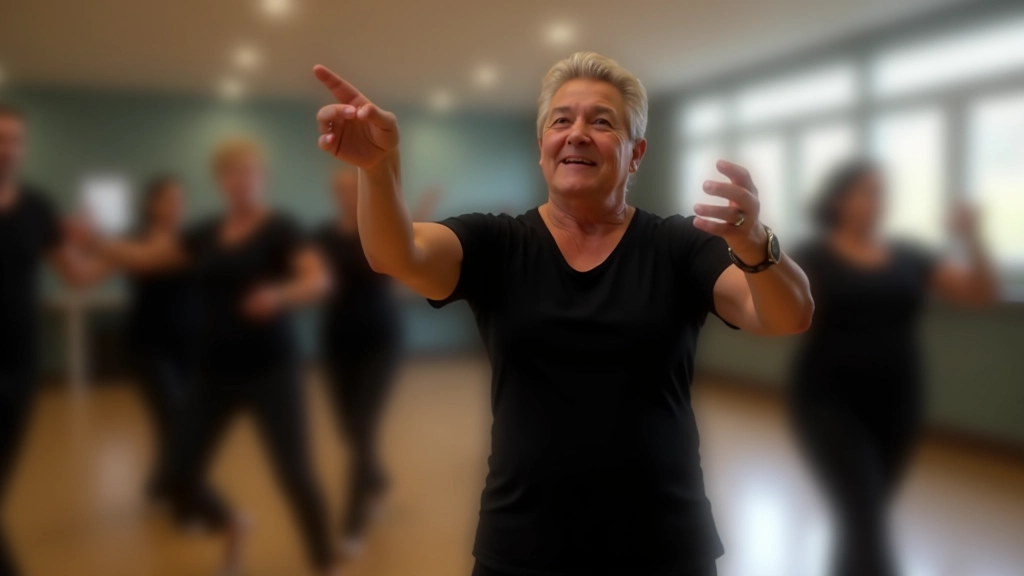
Kizomba isn't just a dance—it's a conversation between two bodies moving as one. If you've watched couples gliding across a dance floor with fluid, intimate movements and thought "I want to learn that," you're in the right place. We'll walk through everything beginners ask about: what makes kizomba different, how to start learning, and where to find your dance community.
What Kizomba Actually Is
Kizomba originated in Angola in the late 1980s. It's a partner dance that blends elements of traditional Angolan music with slow, sensual movements. You'll hear it described as the "dance of emotion"—and there's truth to that. Unlike salsa or bachata, kizomba keeps the upper body relatively still while the hips and legs do the storytelling.
The basic rhythm is 4/4, but what matters most is connection. In kizomba, you're not just dancing next to someone—you're dancing with them. The lead (traditionally the man) guides the follow (traditionally the woman) through movements that require trust, sensitivity, and really listening to your partner's body.
If you've done other partner dances, you'll notice kizomba feels different. It's closer, slower, more intimate. Some describe it as three-in-a-box or a slow walk—but calling it that undersells the complexity. There's a lot happening beneath that calm surface.

Key Difference: Lead and Follow
Unlike some dances, kizomba doesn't require you to follow predetermined choreography. The lead improvises, and the follow responds. This means every dance is unique. You're having a dialogue, not performing a script.
The Basic Steps and What to Practice
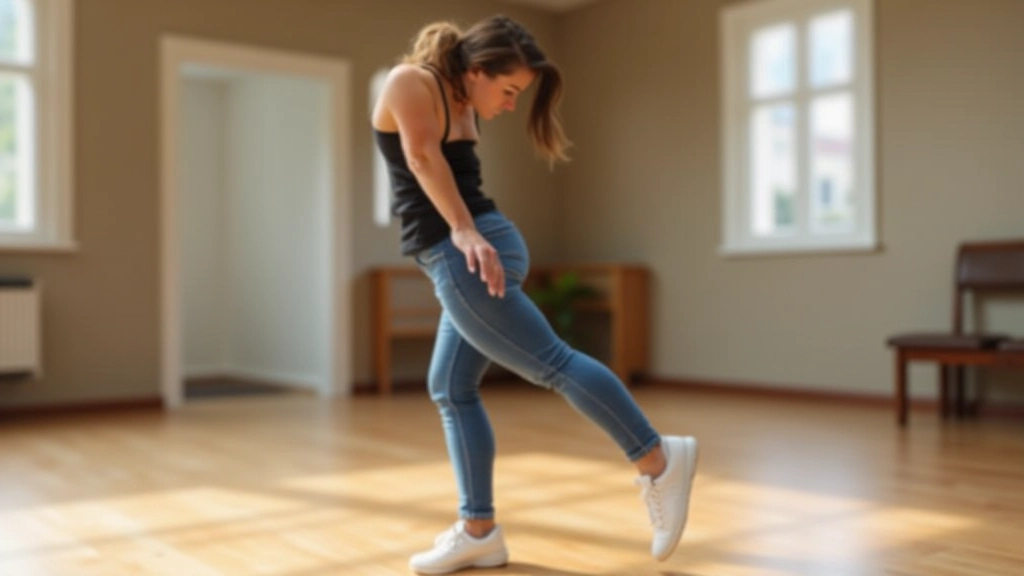
Every beginner starts with the basic step. Don't let that word fool you—simple doesn't mean easy. The basic involves a four-count rhythm where you step forward with your left foot, rock back, then step in place. For the follow, it's the mirror of this. You'll practice this step probably hundreds of times.
What makes kizomba footwork tricky is the hip action. Your hips move independently from your upper body. Your feet stay relatively grounded—it's not big, bouncy movements like some Latin dances. The motion comes from your core. Most beginners need 4-6 weeks of regular practice before this feels natural.
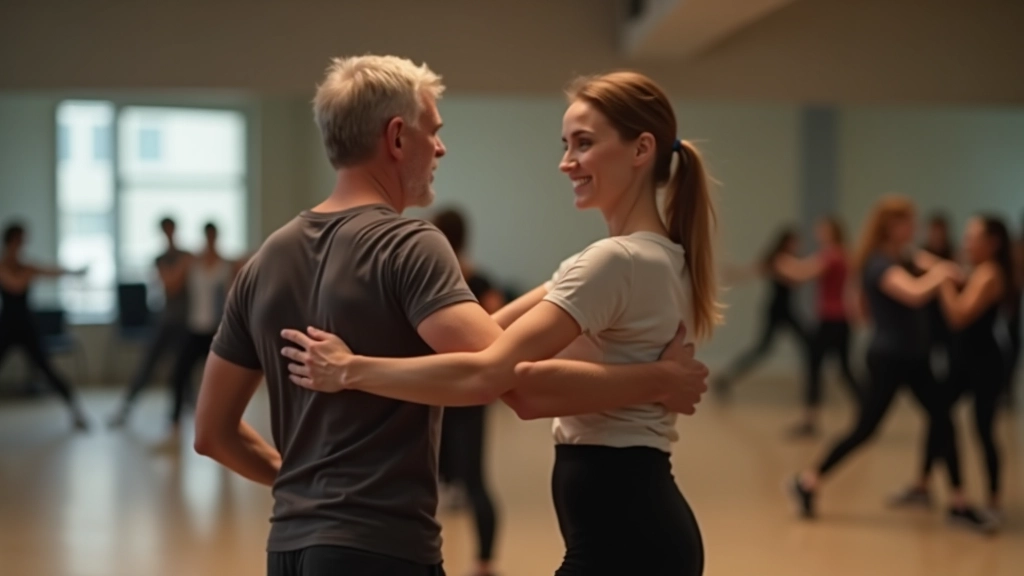
The frame is crucial too. You're not holding your partner like you would in ballroom. In kizomba, you're closer, more connected. Your upper bodies are near each other, and there's constant communication through the arms and torso. This takes adjustment if you're used to other dances.
First Month: What You'll Work On
-
1
Basic step repetition — You'll practice the fundamental movement pattern until muscle memory takes over. This is the foundation everything else builds on.
-
2
Connection and frame — Learning how to communicate with your partner through proper hold and body positioning. You're learning a new physical language.
-
3
Music understanding — You'll start recognizing the rhythm and counting beats. Most kizomba uses 4/4 time, but there are variations in tempo and feel.
-
4
Turns and simple variations — Once the basic feels solid, you'll learn simple directional changes and maybe a turn or two. No complex choreography yet.
About This Guide
This article is an educational introduction to kizomba for beginners. Every dancer learns at their own pace, and individual results vary based on prior dance experience, practice frequency, and the quality of instruction. We recommend learning from qualified instructors in person. The timelines and techniques mentioned here reflect common beginner experiences but aren't universal. Always consult your instructor about your specific progress and goals.
Where to Find Lessons and Community
Estonia has a growing kizomba community, especially in Tallinn and Tartu. Most cities with active social dance scenes offer beginner classes. You've got a few options: private lessons, group classes, or both. Many people start with group classes because they're affordable and you meet other beginners who are just as nervous as you are.
Group classes typically run 60-90 minutes. The first 20-30 minutes cover basics, then you'll partner up and practice together. Don't worry about finding a partner beforehand—instructors rotate partners so everyone learns to dance with different people. That's actually important because every lead and follow is slightly different.
Social dancing happens at kizomba nights and parties. These aren't performances—they're where people go to dance for fun. As a beginner, you'll probably sit some out while you gain confidence. That's completely normal. Most dancers remember being nervous their first time on a social dance floor.

Practical Tips for Starting
- Wear comfortable shoes with some flexibility. You'll want something that lets your foot articulate without restricting movement. Dance shoes aren't necessary starting out.
- Go to at least 3-4 classes before deciding if it's for you. The first class is always awkward. By week two or three, things start clicking.
- Practice outside of class if you can. Even 10 minutes a day makes a difference. Your body needs time to integrate what you're learning.
- Don't compare yourself to experienced dancers. Everyone started exactly where you are. The person dancing beautifully at a social night spent months learning the basics just like you're doing.
- Listen to kizomba music outside of dance class. You'll start recognizing different artists and understanding the rhythm better. Music and movement are inseparable in this dance.
Common Beginner Mistakes to Avoid
One of the biggest mistakes beginners make is trying to move too much too soon. Kizomba is about subtlety, not big movements. Your feet stay relatively small and controlled. The motion comes from your hips and core, not from your legs flying around. Less is more in this dance.
Another common issue is overthinking the frame. Yes, connection matters, but don't grip your partner like you're afraid they'll escape. The frame should feel relaxed and natural. You're creating a channel for communication, not a cage. Your arms should have a gentle elasticity—connected but not tense.
Also, don't skip the music theory part. Some beginners just follow their partner's steps without listening to the actual song. That's missing half the dance. Once you understand the music, the steps make sense. You're dancing to something, not just doing movements.
Ready to Start?
Kizomba's appeal is exactly what makes it challenging at first. It requires vulnerability. You're literally moving in close embrace with another person, and that takes courage. But it's also why people fall in love with this dance. Once you experience that connection, once you feel the conversation happening between two bodies moving together, you'll understand why dancers keep coming back.
Start with a beginner class. Show up even when you're nervous. Give yourself permission to be bad at it while you're learning. In a few months, you'll be teaching someone else the basics you're struggling with today. That's how every dancer's journey starts—with one class and the willingness to try something unfamiliar.
Looking for where to learn? Check out our guide to partner dance workshops across Estonia or find kizomba nights in Tallinn to see what the community looks like before you commit to classes.