
Why Summer Festivals Matter
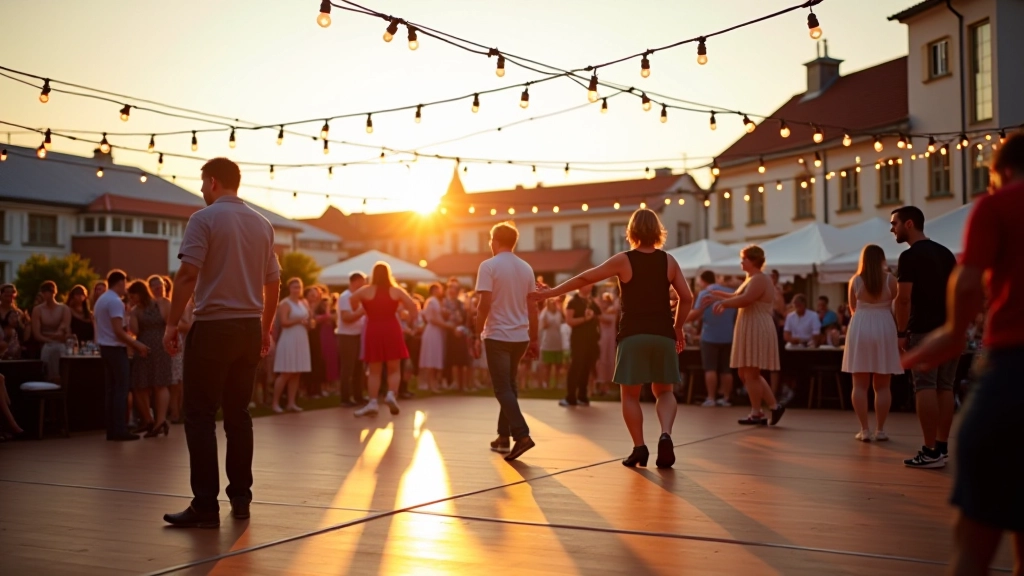
Summer's the perfect time to experience dance outdoors. You've got long daylight hours, warm evenings, and that special energy when people gather on coastal promenades. The Baltic coast in June through August hosts some genuinely good dance festivals — not just big name events, but intimate gatherings where you'll actually meet people and learn something real.
Most festivals run Thursday through Sunday, giving you flexibility. They're scattered from Pärnu down to the smaller coastal towns, so you won't need to travel far from Tallinn. The scene's welcoming to all levels. Whether you're new to partner dancing or you've been doing this for years, there's always something suited to where you're at.

Major Festivals You Shouldn't Miss
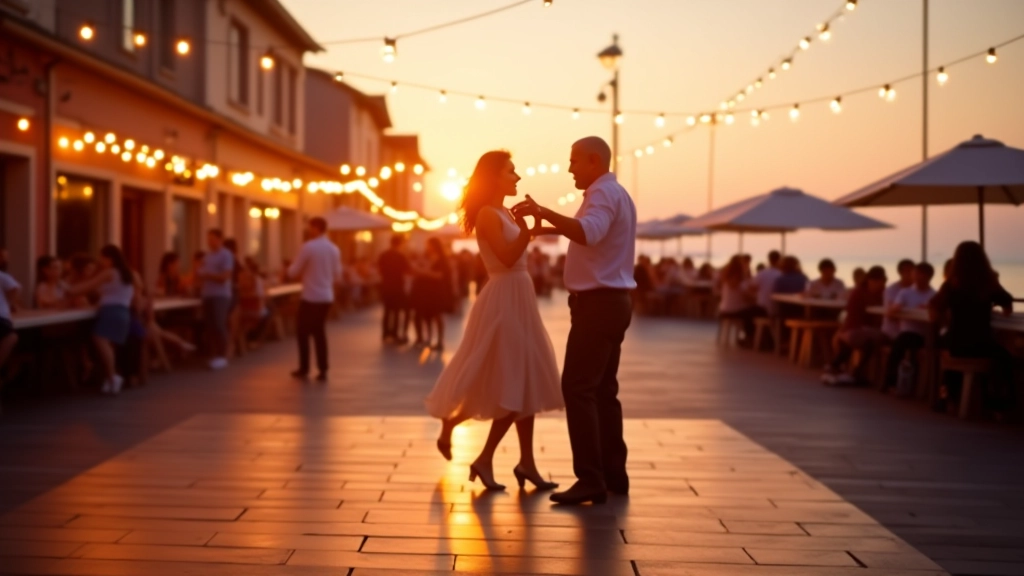
Pärnu Summer Dance Week runs mid-June to early July. It's the big one — three weeks of salsa, bachata, and kizomba. Classes run mornings and afternoons, socials happen every evening. The venue's right on the beach. You can dance, grab coffee, walk along the coast. That rhythm between learning and just being there is what makes it special.
Kuressaare Coastal Ballroom Festival (late July) focuses on standard and Latin styles but includes partner dances. It's smaller than Pärnu but honestly more intimate. Only about 200-300 people attend, so you'll recognize faces after day two. The host hotel's reasonable — around 45 euros for a double if you book early.
Planning Your Festival Visit
Festival schedules and pricing can change year to year. We recommend checking official event websites directly for current dates, exact pricing, and registration deadlines. Accommodation fills quickly during summer season — book your room or apartment at least 4-6 weeks ahead if you're planning to stay overnight. Most festivals offer day passes if you don't want to commit to the full event.
Getting There From Tallinn
Pärnu's about 130 kilometers south. You can drive in under two hours or take a bus — several daily options, tickets around 8-12 euros. Don't rent a car just for the festival unless you're planning to explore. Parking can be tight during events. The bus station's walking distance from the dance venues.
Kuressaare requires a ferry. Drive to Kuivastu (about 80 km), then it's a 45-minute ferry crossing. You can bring your car or leave it in parking at the ferry terminal. The total trip takes about 3-4 hours. Worth it though — Saaremaa island has a different feel. Less crowded, more relaxed pace.
- Pack layers — evenings cool down even in July
- Bring comfortable shoes for both dancing and walking around town
- Sunscreen matters on the coast — reflection off water burns faster
What Happens During a Festival
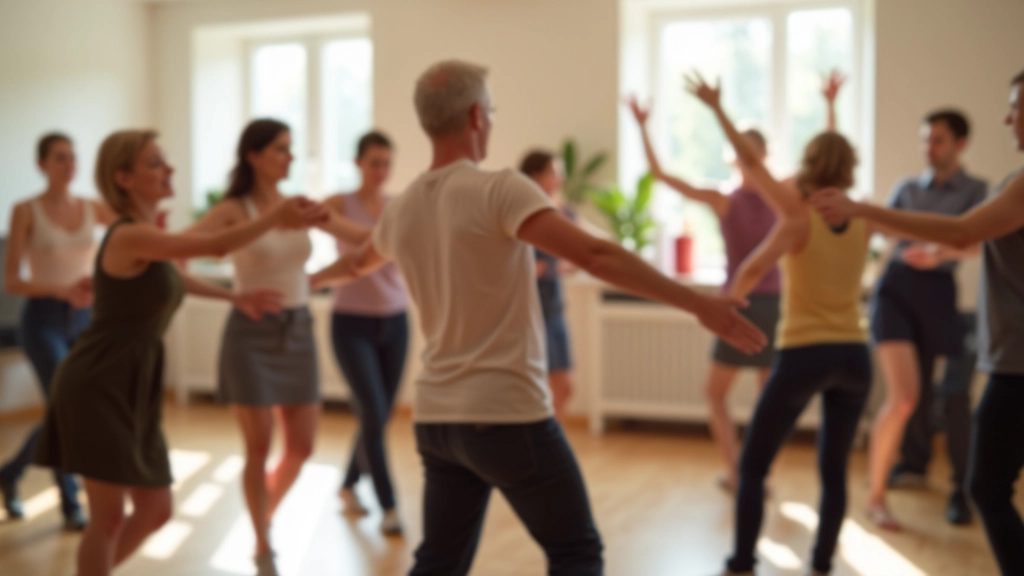
Most festivals follow a pattern. Morning classes (9-11 am) are usually technique-focused — footwork, connection, musicality. You'll learn from established instructors, often people who've traveled the European circuit. Classes run beginner to advanced, so you pick your level.
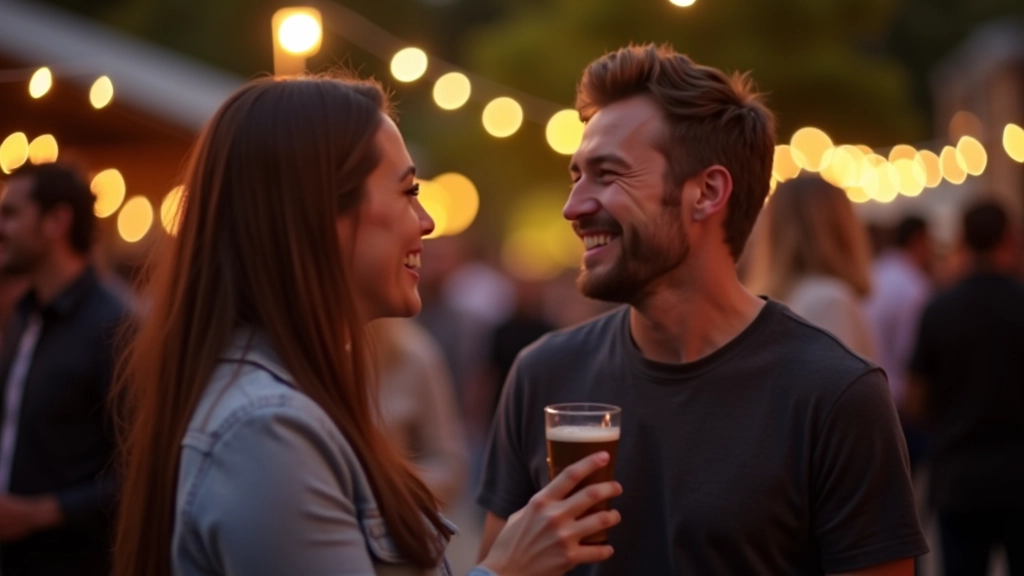
Afternoons are slower. You might grab lunch, rest, maybe take a second class if something interests you. Evening socials start around 8 pm. That's where you dance freely, apply what you learned, meet people. Live bands sometimes perform. There's usually a small bar selling drinks and snacks. It's casual — nobody's judging. You dance at your own level with whoever shows up.
Making the Most of Your Time
Come early if you can. The first day's always a bit chaotic — everyone's figuring out logistics, introductions are happening, energy's building. By day two, it settles into a rhythm. You'll have regular dance partners, familiar faces in classes, rhythm of the place becomes clear.
Don't skip the socials just because you're tired. That's where the real learning happens. You're dancing with people at different levels, different styles, different backgrounds. Someone will teach you something without formally teaching you. That exchange — that's the point.
Bring a small notebook. Write down instructor names, their teaching style, maybe a technique tip that stuck with you. You'll want to remember these details months later when you're back in Tallinn, practicing what you learned.
Your Next Step
Summer festivals aren't about becoming a better dancer in a weekend — though you will improve. They're about being around people who care about dance, who show up because they genuinely love it. You'll meet instructors who'll change how you think about movement. You'll dance with strangers who become friends. The Baltic coast in summer is the right place for that to happen.
Start with Pärnu if you want the full experience. It's big enough that there's something every hour, small enough that you won't feel lost. Pick dates that work with your schedule, book your accommodation early, and give yourself permission to just be there. You don't need to plan every moment. The best parts of festivals happen when you're not expecting them.